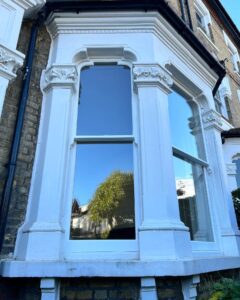
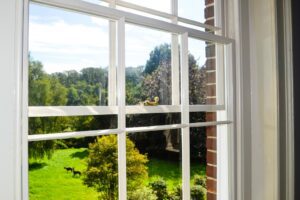
Sash windows are one of the most attractive and characterful features of a period property. When they are well maintained, they can last for generations, offering charm, practicality and timeless kerb appeal.
However, like any traditional timber feature, sash windows can begin to show signs of wear over time. Spotting small issues early can help prevent more costly repairs later and keep your windows working smoothly, safely and efficiently.
Let us take you through some of the most common signs that your sash windows may need our experts’ attention:
1. Your windows are difficult to open or close
A sash window should move smoothly within its frame. If it feels stiff, jams halfway, or takes too much force to open or close, this is often a sign that something is not working as it should.
Common causes include swollen timber, paint build-up, damaged cords, broken pulleys or movement within the frame. In some cases, the window may simply need careful adjustment. In others, parts may need repairing or replacing.
Leaving the issue unresolved can place extra strain on the window and may cause further damage over time.
2. You can feel draughts around the frame
Draughts are one of the most common complaints we hear with older sash windows. If you can feel cold air coming through the gaps around the window, it may be time to consider repair or draught-proofing.
Professional draught-proofing can make a noticeable difference to comfort levels inside your home. It can also help reduce heat loss, minimise rattling and improve the overall performance of your windows while retaining their traditional appearance (let’s not forget about those heating bills!).
3. The windows rattle in the wind
Rattling sash windows are usually caused by loose-fitting sashes, worn components or gaps within the frame. While it may seem like a minor annoyance, rattling can be a sign that the window is no longer sitting securely.
A well-repaired sash window should feel stable, balanced and properly sealed. Addressing rattles early can help improve comfort, reduce noise and prevent unnecessary wear.
4. You notice signs of timber decay
Timber sash windows are built to last, but exposure to moisture can lead to rot if the wood is not properly maintained. Look out for soft patches, flaking paint, dark staining, cracking, or areas where the timber feels weak.
The good news is that localised timber decay does not always mean the whole window needs replacing. In many cases, affected sections can be repaired, strengthened or replaced while preserving as much of the original window as possible.
Even better, at Sliding Sash Solutions we use Accoya timber, a high-performance, long-lasting wood known for its durability, stability and resistance to rot — making it an excellent choice for sash window repairs and replacements.
5. There is condensation or damaged glazing
Condensation on the inside of the glass can sometimes be linked to ventilation and temperature differences, but persistent issues may suggest poor sealing or inefficient glazing.
Cracked glass, loose putty or damaged glazing bars should also be repaired promptly to protect the window from water ingress and further deterioration.
Repairing sash windows before problems get worse
Many sash window issues can be repaired without replacing the entire window. From replacing cords and repairing timber to draught-proofing and improving operation, professional repair work can help restore both performance and appearance.
Taking action early can help preserve the character of your home, improve comfort and extend the lifespan of your windows.
Need advice on your sash windows?
If your sash windows are draughty, difficult to open, rattling or showing signs of wear, our experts at Sliding Sash Solutions can help.
Our team can assess your windows and recommend the most suitable repair or restoration options for your home.